What is Neurodivergence
If you are neurodivergent, whether you have been formally diagnosed as autistic/ having ADHD or are wondering about this, it is likely that life transitions present a unique dimension of challenge.
It is understandable that when the demands of a new life stage increase or change what we need to manage, that people can struggle with life not being what it once was.
We consider neurodivergence to encompass:
- having a highly sensitive temperament (being a deep thinker; highly empathic; being prone to overstimulation and sensitive to subtleties in the environment around you);
- autism;
- experiencing difficulties with executive functions (often difficult for those with ADHD) that relate to your ability to organise/plan; hold information in mind when solving problems; impulse control; self-reflection and monitoring abilities; time management and prioritising; understanding complex or abstract concepts; using new strategies and regulating emotions;
- being highly gifted/talented;
- struggling with motor co-ordination and sensing where your body is in navigating your environment (sometimes termed ‘dyspraxia’, diagnostically called ‘developmental co-ordination disorder’);
- dyslexia;
- dysgraphia;
- sensory processing sensitivities;
- dyscalculia;
- tics/Tourettes;
- synaesthesia (merging of sensory processing e.g. such as seeing colours to music or emotions)

The adjustment to a new life stage will likely involve many aspects that can feel unfamiliar, challenging and even overwhelming.
For example, an increase in managing the daily or new demands of life and the social and/or sensory impacts involved. The new stage may create less opportunity for down time or time to engage in hobbies or interests which have been so restorative in the past. There may also be physical changes or intense emotional experiences that are hard to come to terms with or tolerate.
It may be difficult to put the mixed feelings you are having about your life stage into words.
You may feel you should simply ‘mask’ your way through it, offering up what you think you ought to be feeling rather than what you actually are experiencing or just keep pushing yourself through the day in order to cope. This can add an additional layer of loneliness and isolation to your experience and bring up unwarranted feelings of failure or shame.


You may be observing other people around you who seem to have adjusted to this new life stage with apparent ease, leaving you feeling frustrated, confused or inadequate.
Your body may be showing signs of strain in terms of feelings of malaise or fatigue/burnout that you can’t seem to recover from. You may experience ‘flare ups’ in terms of other physical health complaints such as irritable bowel syndrome, migraines or joint pain. You may be self-medicating in order to cope. You may be experiencing more ‘meltdowns’ or ‘shut-downs’ that are hard for you and those around you to cope with.
These experiences are understandable if you are feeling chronically overstretched by your life stage and the stress this may bring.
Our team understands the multi-faceted experience of adjusting to a new life stage if you are neurodivergent.
We are here to help you make sense of your experience and help understand your needs through the lens of your own neurodivergence combined with the challenges of your new life stage. With the right support, know that you can build confidence in navigating life in a way that’s authentic to your needs in order to support sustained well-being. This may need to ‘look’ different to how others arrange their lives and that’s ok.

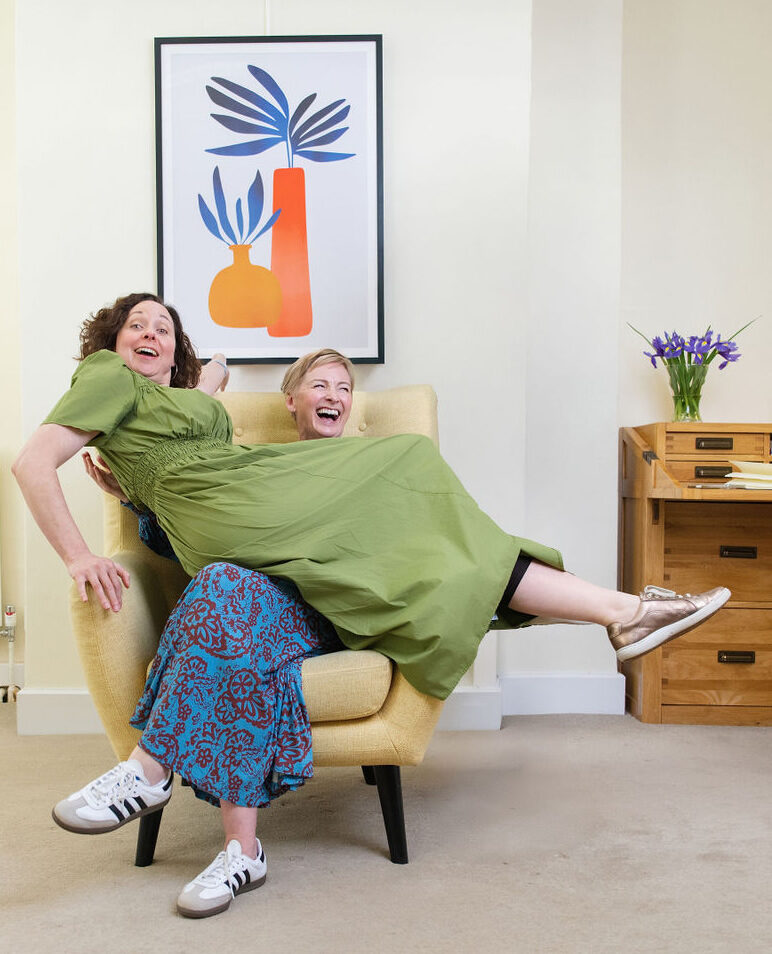
Antonella and Rachel both have highly sensitive temperaments and also experience of living in neurodivergent families.
We understand that less than optimal conditions can impact your body and mind. However, we also relate to the research that shows when sensitive people experience enhanced support and understanding it unlocks increased capacity for connection, growth, creativity and joy.